Enjoy the Long Weekend Without Gaining Weight: 7 Simple Habits That Actually Work
For many of us, a long weekend means catching up with family, enjoying a BBQ, heading away for a few days or simply relaxing with good food and a glass of wine.
And that’s exactly how it should be.
The problem isn’t the long weekend itself. It’s the mindset many people fall into.
“I’ve already had a slice of cake… I may as well keep going.”
“I’ll start again on Tuesday.”
“One weekend won’t matter.”
Ironically, one weekend usually doesn’t matter unless it turns into three days of eating without thinking, followed by another week of guilt and restriction.
Healthy living isn’t about avoiding celebrations. It’s about learning how to enjoy them without feeling you’ve undone months of progress.
Here are seven simple habits that can help.
1. Stop Thinking in “Good” and “Bad” Foods
One of the biggest reasons people overeat is because they’ve labelled foods as “off limits.”
Psychologists call this the what-the-hell effect.
It works like this:
You eat one biscuit.
Then you think you’ve blown your diet.
So you eat six more.
The problem wasn’t the first biscuit.
It was believing the day was ruined.
Instead, try changing your thinking.
Rather than saying:
“I’ve been bad.”
Say:
“That was enjoyable. Now I’m choosing something nourishing for my next meal.”
This small mental shift removes guilt and guilt is often what fuels overeating.
Education Tip: Research consistently shows that flexible eating patterns are easier to maintain over time than highly restrictive diets. When no food is completely forbidden, people are less likely to swing between strict dieting and overeating.
2. Eat Protein Before You Go Out
Many people save calories before a BBQ or restaurant meal.
It sounds sensible.
Unfortunately, arriving ravenous often leads to eating far more than planned.
Instead, have a small protein-rich meal beforehand.
Good options include:
- Greek yoghurt with berries
- Cottage cheese
- Eggs on wholegrain toast
- Chicken salad
- A protein smoothie
Protein helps increase fullness and can reduce hunger hormones, making it easier to enjoy treats without overdoing them.
Education Tip: Protein is also especially important from our 40s onwards, when we naturally begin to lose muscle mass. Maintaining muscle supports metabolism, balance and healthy ageing.
3. The 20-Minute Rule Really Works
Your stomach and brain don’t communicate instantly.
It takes roughly 20 minutes for fullness signals to reach the brain.
That’s why eating quickly often leads to accidental overeating.
Try this instead:
- Put your knife and fork down between bites.
- Join the conversation.
- Take a sip of water.
- Notice flavours and textures.
By slowing down, many people naturally eat less while feeling just as satisfied.
Remember, enjoying food and rushing through it are rarely the same thing.
4. Don’t Skip the Walk
You don’t need to “burn off” your dinner.
But a gentle walk after eating can do something even more valuable.
Moving your muscles helps your body use glucose more efficiently, which can reduce the rise in blood sugar after a meal. It can also aid digestion and leave you feeling more energised.
Even 10–20 minutes of walking after lunch or dinner can make a difference.
Make it social.
Invite the family.
Walk the dog.
Explore somewhere new.
The conversation might become the highlight of the day.
5. Alcohol Isn’t Just About Calories
Many people count the calories in wine or beer but forget alcohol affects appetite too.
Alcohol can:
- Lower inhibitions
- Increase cravings
- Make you eat faster
- Reduce awareness of fullness
A simple strategy is to alternate each alcoholic drink with sparkling water or a sugar-free soft drink.
You’ll likely feel better the next morning too.
The goal isn’t perfection.
It’s giving yourself more opportunities to make decisions you’ll still feel good about tomorrow.
6. Build Your Plate Like This
Instead of focusing on what to avoid, focus on what to include.
A simple guide:
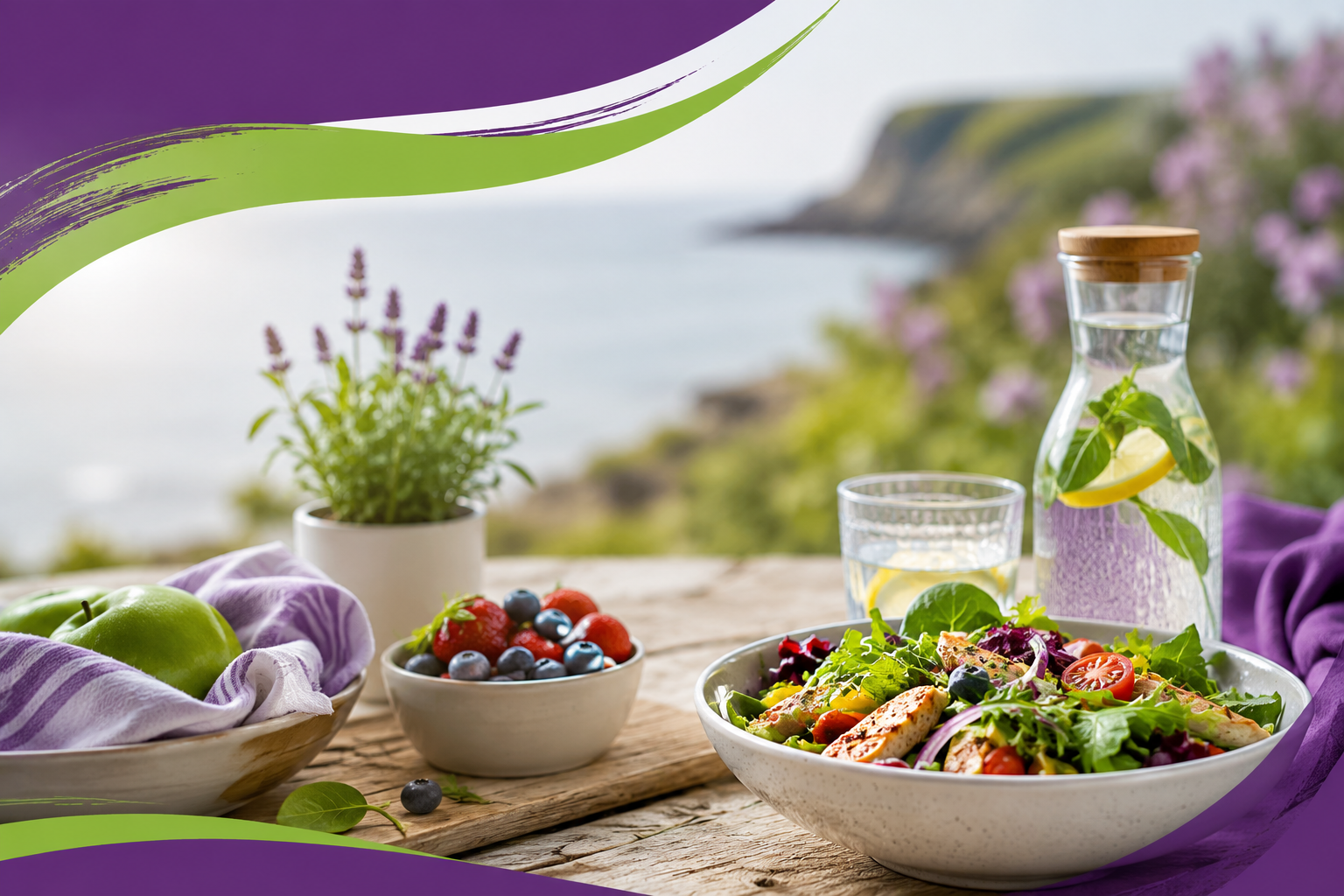
- Half your plate colourful vegetables or salad.
- One quarter lean protein such as chicken, fish, beans or lean beef.
- One quarter potatoes, rice, pasta or bread.
Then enjoy dessert if you genuinely want it.
When your meal contains fibre, protein and healthy carbohydrates, you’re more likely to feel satisfied and less tempted to keep grazing.
7. Remember: One Meal Never Causes Weight Gain
This might be the most important point of all.
Weight changes happen over time.
One BBQ doesn’t cause obesity.
One takeaway doesn’t erase months of healthy habits.
One slice of cake doesn’t undo your progress.
What matters is what you do most of the time.
Many people give up after one indulgent meal because they believe they’ve failed.
But successful people do something different.
They simply return to their usual routine at the very next meal.
No detox.
No punishment.
No skipping breakfast.
Just normal, balanced eating.
That’s consistency and consistency beats perfection every time.
The Long Weekend Mindset Shift
Instead of asking yourself:
“How can I avoid eating anything unhealthy?”
Try asking:
“How can I enjoy this weekend while still looking after myself?”
That small change creates a healthier relationship with food.
You’ll laugh more.
Stress less.
Enjoy your meals.
And probably eat less without even trying.
Health isn’t built on perfect weekends.
It’s built on hundreds of ordinary choices made over months and years.
This bank holiday, give yourself permission to enjoy the people around you, savour the food you love and trust that one enjoyable weekend doesn’t define your health.
Your Weekend Challenge
Choose just one of these habits to focus on over the next three days.
Not all seven.
Just one.
Small changes repeated consistently are far more powerful than ambitious plans that last only until Tuesday.
Have a wonderful long weekend and remember, your health journey doesn’t pause because life is meant to be enjoyed.